

The honest answer
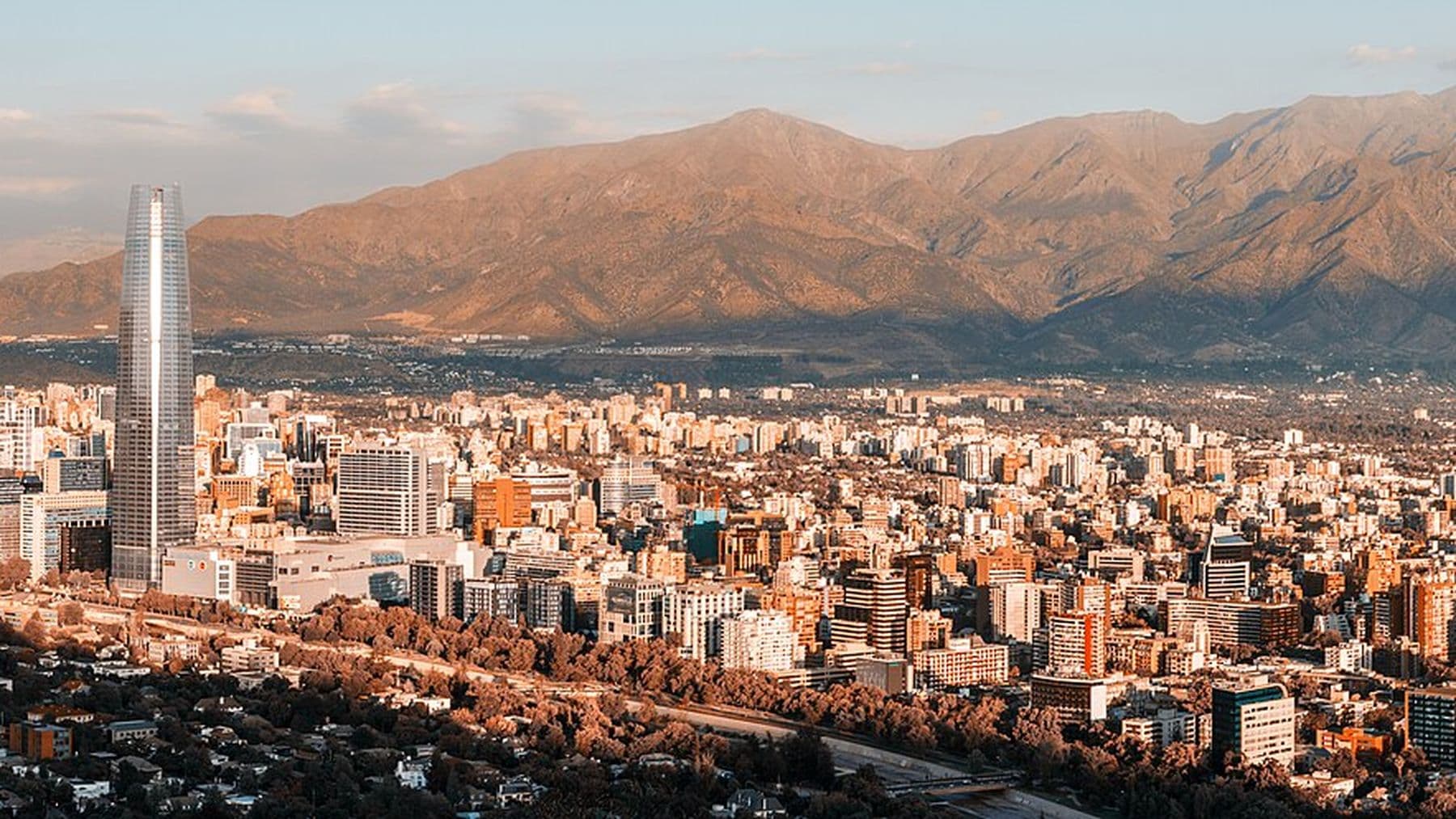
Santiago is a city of several million and works like any large capital in the region: there are areas you walk through comfortably and others you do not, and that shifts with the hour too.
We are not going to give you statistics. We cannot verify a number today, it would be stale in a month, and on safety a wrong figure does harm both ways. What we can tell you is how we move around.
Where you will actually be
The hotels we pick up from are in the centre, Providencia, Las Condes and Vitacura. Those are the districts where tourist accommodation sits and where you will spend most of the trip.
The city tour covers the historic centre on foot, by day, with a guide. The mountains, the coast and the wineries are by van, door to door. In practice, much of the trip is spent accompanied.
The real risk for a visitor is petty theft
What actually happens to visitors is rarely dramatic: the phone that vanishes in a crowded square, the backpack opened on a packed metro, the camera left on a table for a second.
The same habits apply as in any large city: phone away rather than in your hand while walking, backpack worn on the front in crowded transport, nothing valuable on display. In Valparaíso, which you explore on foot with a camera out, it is worth paying more attention than elsewhere on the trip.
Three concrete things
At night, take a taxi or a ride-hailing app rather than walking far, especially downtown. That is what locals do and there is nothing excessive about it.
Leave the passport at the hotel and carry a copy or a photo. And if something happens, report it to Carabineros: for travel insurance that report is what counts.
Where to actually confirm
We run tours; we are not a public safety authority. Before travelling, read your own government’s travel advice for Chile: it gets updated when there is reason to, and this page does not.
And if you are heading somewhere you do not know, ask your hotel reception. It is the most current information you will get, and it is free.
The tours in this guide
Keep reading
Farellones, El Colorado, La Parva or Valle Nevado?
All four sit on the same road, one above the other. Here is the real difference between them.
When is there actually snow in Chile?
The season runs June to September. But altitude matters more than the month, and that changes how you plan the trip.
What a day in the snow in Chile really costs
The tour is one part of the spend. Here is every line item, so none of them surprises you up there.
How many days do I need in Santiago?
Three cover the essentials and five let you breathe. But what shapes the itinerary is not the number of days: it is which days of the week.
Is Valparaíso worth it in winter?
Yes, if you are going for the hills and the street art. No, if you are going for the beach. It is a full day, and it helps to know what for.
What documents do I need to enter Chile?
Brazilians need no tourist visa. What does need checking before you leave home is something else.
How much money to bring to Chile, and how to pay
What takes a card, what needs cash, and the costs that appear up the mountain that nobody warns you about.
Is renting a car in Chile worth it?
For the coast and the wineries, yes. For driving up to the ski resorts in winter, no — and not because we sell tours.
What to pack for the Chilean winter
There are 16 degrees between Santiago and Valle Nevado. That, not the forecast, is what decides your suitcase.
Chile with children: which tour works at which age
Five of our tours do not admit under-18s and three more have a minimum age. Better to know now than at the door.
Which neighbourhood to stay in in Santiago?
It depends what kind of trip it is. And on one practical detail: where we can pick you up at five in the morning.
SIM cards, internet and phones in Chile
Three options and all of them work. What is worth knowing is where there is no signal — which is where you will want it.
When is the best time to travel to Chile?
It depends what trip you want. Nine of our 25 tours are winter-only; the other sixteen run all year.